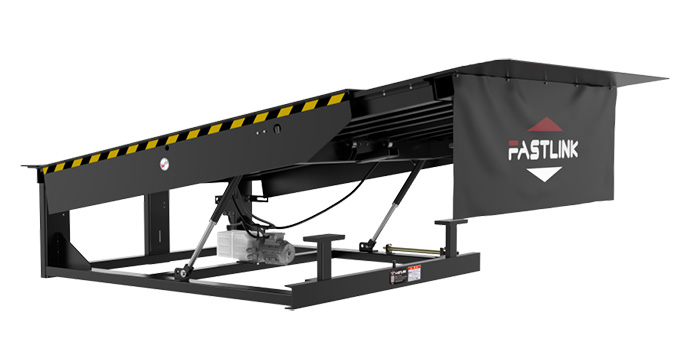
I. Operating Instructions
Following the correct operating sequence is essential for ensuring the safety of both the equipment and personnel.
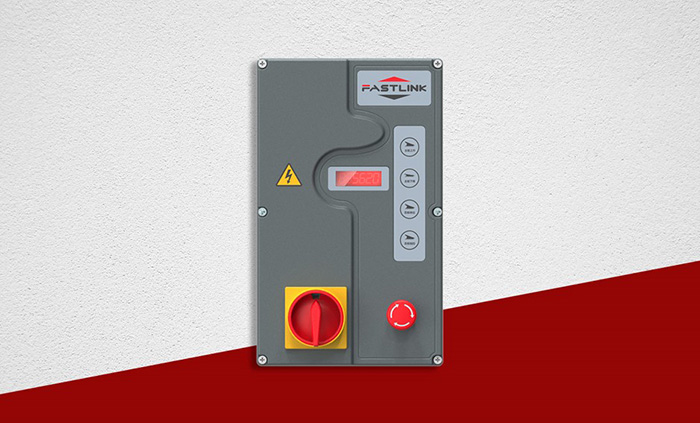
- Power On: Rotate the selector switch on the control box to the "ON" position to activate the power supply.
- Adjust Deck Height: Press and hold the "Deck Raise" button to smoothly adjust the deck to the required height, matching the vehicle's bed height.
- Extend Lip: Press and hold the "Lip Extend" button to adjust the lip extension length according to the actual distance between the leveler and the truck rear, ensuring a stable connection.
- Retract Lip: After all loading/unloading tasks are complete, press and hold the "Lip Retract" button to fully retract the lip beneath the deck.
- Lower and Reset: Once the lip is fully retracted, press and hold the "Deck Lower" button to allow the deck to descend smoothly until it returns to the initial parked position.
- Power Off: Rotate the selector switch back to the "OFF" position to cut off the power supply.
- Emergency Handling: If any emergency occurs during operation, immediately press the prominent red emergency stop button; the equipment will halt. Resume normal use by releasing the emergency stop button only after the hazard has been eliminated.
II. Maintenance Instructions
When performing equipment inspection or repair, the following procedures must be strictly followed to ensure maintenance personnel safety.
- Rotate the selector switch to the "ON" position to activate the power supply.
- Press and hold the "Deck Raise" button to raise the deck to a suitable height for maintenance, then release the button. Subsequently, the maintenance support bar must be properly installed to mechanically secure the platform.
- After platform maintenance is complete, press and hold the "Deck Raise" button again to lift the deck slightly—just enough to create a minimal clearance for removing the maintenance support bar—and then safely remove the bar.
- Press and hold the "Deck Lower" button to allow the platform to descend smoothly back to its initial position.
III. Usage Precautions
Details determine safety. Please pay close attention to the following points:
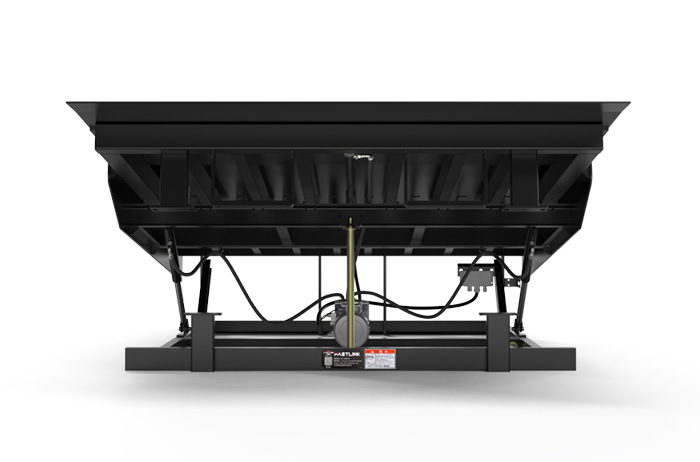
- Pre-Use Inspection: Ensure the warehouse door is fully open; the vehicle is correctly docked with its rear impact bar snug against the dock leveler's bumpers; and the vehicle tires are effectively immobilized using wheel chocks or truck restraints.
- Personnel Clearance: Before operation, confirm that all personnel are clear of the platform's operating area. No goods or personnel are permitted on the deck during platform lifting/lowering or lip extension/retraction.
- Environmental Requirements: The platform operating area and its surroundings must be clear of any goods or personnel. Maintain adequate lighting, clear visibility, and ensure no obstructions are present.
- Connection Standards: During use, ensure the lip's entire width enters the vehicle interior, with a minimum engagement length of 200mm. No work is permitted on the platform until a stable lip connection is confirmed.
- Loading/Unloading Process: Use compliant and safe forklifts or handling vehicles; ideally, guide transport tools to travel along the center of the platform at a speed not exceeding 10 km/h; strictly prohibit equipment overload.
- Post-Operation: After use, the equipment must be returned to the initial parked position and the power switched off. Trucks are strictly forbidden from driving away before the lip is fully retracted. Do not activate the emergency stop function during normal operation. Keep the deck surface dry and clean.
- Maintenance Safety: Before performing any maintenance or servicing, disconnect the power supply, properly position the maintenance support bar, and place prominent warning signs to prevent accidental operation by others.
- Site Management: After each operation, clear all unrelated items from the platform and surrounding area, restore the site to a clean state, and notify the responsible personnel.
- Idle Management: When the dock leveler is not in use, fully retract the lip and securely place it in the auto-reset storage position (i.e., within the fixed slot), keeping the main deck flush with the surrounding floor level.
- Regular Maintenance: Regularly clean debris and frost from the lip and hinge areas. Strictly prohibit storing any items within the pit to avoid damage to the hydraulic system or main structure when the platform lowers.
IV. Prohibited Actions
The following actions are highly dangerous and must be strictly prohibited:
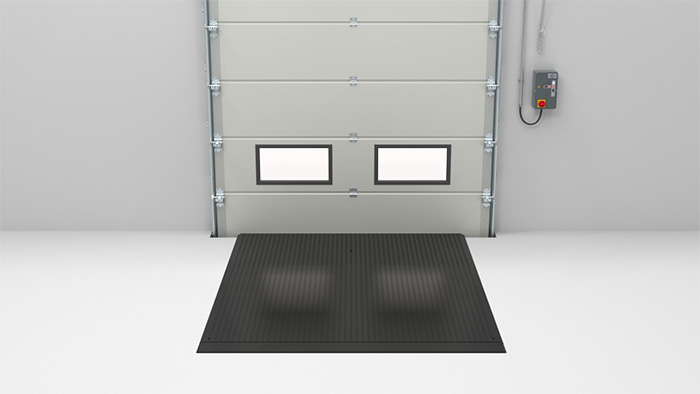
- Never perform any operation if personnel are present in front of the telescopic platform.
- Never operate the leveler while personnel or vehicles are on its surface.
- During operation, never use hands to pull the lip directly to assist its extension or retraction.
- Before retracting the lip, the deck must first be raised to its highest position to prevent interference or collision between the lip and the deck.
- Clear safety warning signs and physical barriers should be installed in and around the dock leveler area. Unauthorized personnel are strictly prohibited from operating the equipment during maintenance.
- Before installation or maintenance, confirm that the maintenance support bar is correctly installed and used, serving as the final mechanical barrier against accidental platform descent.
- When the platform is stopped/inoperative, prohibit any vehicles from driving across its deck surface.
- Strictly prohibit commencing any maintenance work before inserting the maintenance support bar into the designated maintenance hole.
- Non-professional maintenance personnel are prohibited from performing any repairs, adjustments, or disassembly of the equipment.
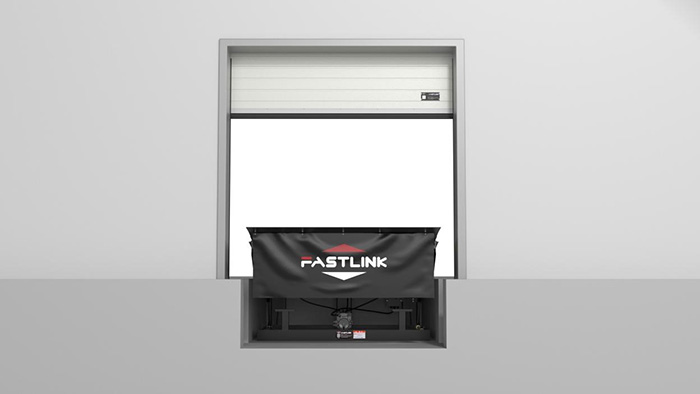
Safety and efficiency are of paramount importance. Strict adherence to standardized procedures and vigilant attention to detail are fundamental. It is the responsibility of every operator and manager to master the operating procedures of the Telescopic Hydraulic Dock Leveler and to consistently reinforce a culture of safety. We hope this guide serves as a valuable reference in your work, assisting you in achieving safe and efficient logistics operations.